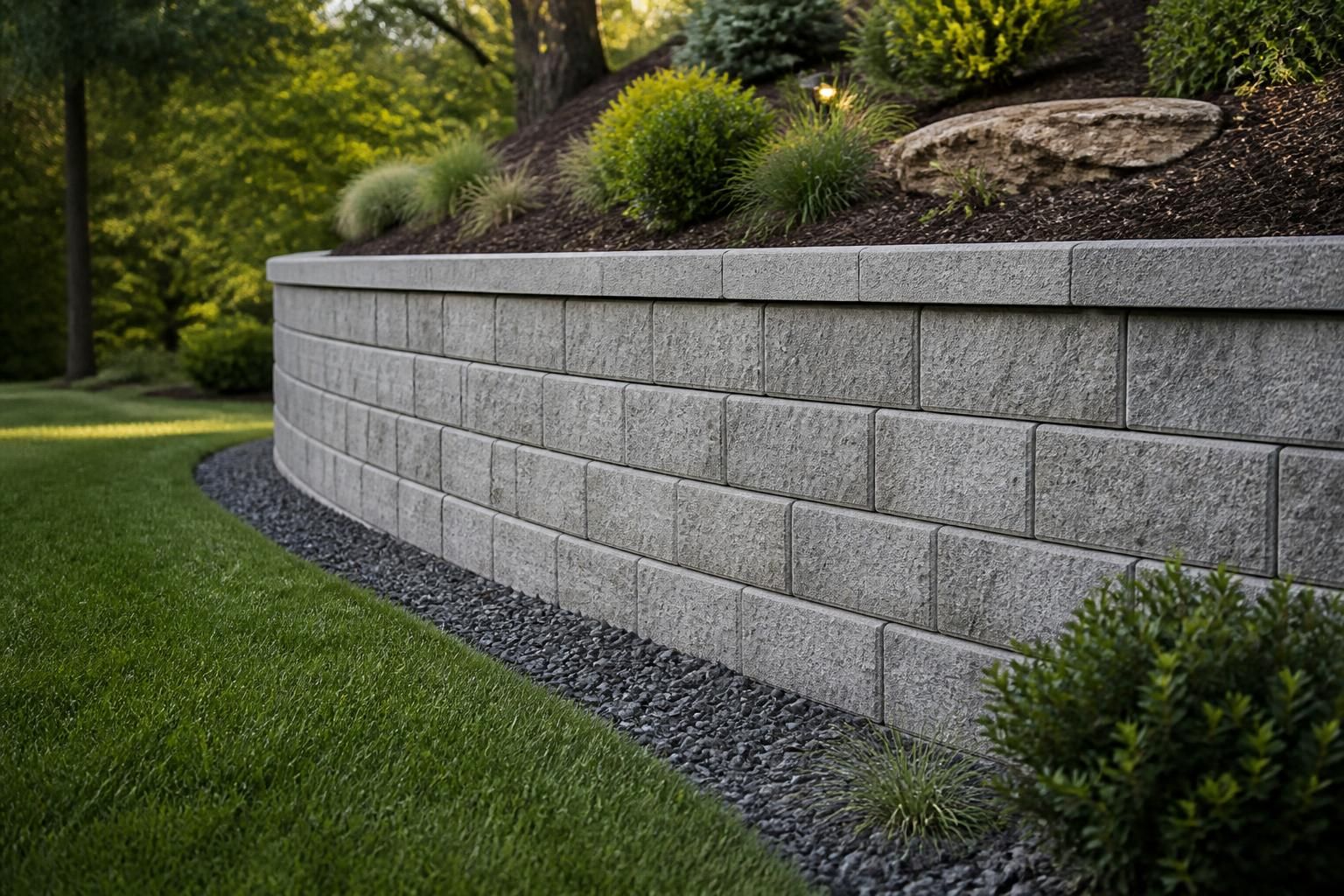
If your yard keeps washing out, slopes away too sharply, or leaves you with an awkward spot that never seems usable, a retaining wall may be the next practical step. A well-built wall can help hold soil where it belongs, create level space, and give your property a cleaner finished look.
Snell Concrete & Construction builds retaining walls for Columbia, MO property owners who want a solid solution that fits the space and stands up to daily use. We focus on careful layout, dependable workmanship, and a finished result that feels intentional rather than patched together.
Retaining walls do more than mark a boundary. They help control grade changes, support planted areas, and make uneven ground easier to use. If a slope is limiting where you can walk, park, plant, or build, a wall may turn that difficult area into part of the property you can actually enjoy.
We often hear from homeowners who are tired of soil sliding, edges crumbling, or backyard areas feeling unfinished. A retaining wall can address those concerns while also adding structure to the overall layout of the property.
Every property calls for a different approach. Some retaining walls are meant to create a neat edge for landscaping, while others are needed to hold back more soil and handle a larger grade change. We look at the shape of the site, the purpose of the wall, and how the finished area should be used before moving ahead.
Snell Concrete & Construction handles retaining wall work for Columbia, MO properties that need a structure built around the space, not a one-size-fits-all layout.
Some walls are built to carve out flatter ground for patios, walkways, or open yard space.
Others help keep soil contained around planted beds, side yards, or elevation changes.
A wall can define outdoor spaces and make the property feel more organized.
A retaining wall should start with a clear plan, not guesswork. We review the area, talk through the purpose of the wall, and shape the work around the slope and soil conditions at the site. Good planning makes a major difference once the wall is set and the space starts seeing regular use.
Here is the general approach we follow:
We look at the grade, drainage path, and the area the wall needs to support.
We mark the wall line so the finished structure fits the property and the intended use.
The area is cleared and shaped so the wall has a stable base to sit on.
We build the retaining wall with attention to alignment, height, and finish.
Once the wall is complete, we leave the area neat and ready for the next phase of the property.
Retaining walls are not only about holding soil. They also need to account for water movement around the site. When water has nowhere to go, pressure can build against the wall and the surrounding ground. That is why planning for drainage is a key part of the job.
We pay attention to how water naturally moves across the area before building. That helps us choose a layout that supports the wall and the surrounding ground rather than fighting against them.
Water can create added force against a retaining wall, especially after repeated rain or runoff. If the wall is not planned with drainage awareness, the structure and the surrounding soil may not stay settled the way they should. A thoughtful build helps reduce that strain.
The right retaining wall should fit the property, the purpose of the space, and the look you want to achieve. Some homeowners want a simple, clean wall that blends into the yard. Others want a more finished appearance that helps the outdoor area feel complete.
We help you think through the appearance and the practical side together. The goal is a wall that works for the property while still looking like it belongs there.
Once a retaining wall is installed, the area around it should be watched over time. Small changes around the base, shifting soil, or pooling water near the wall can all be worth addressing early. A little attention helps the space stay neat and easier to maintain.
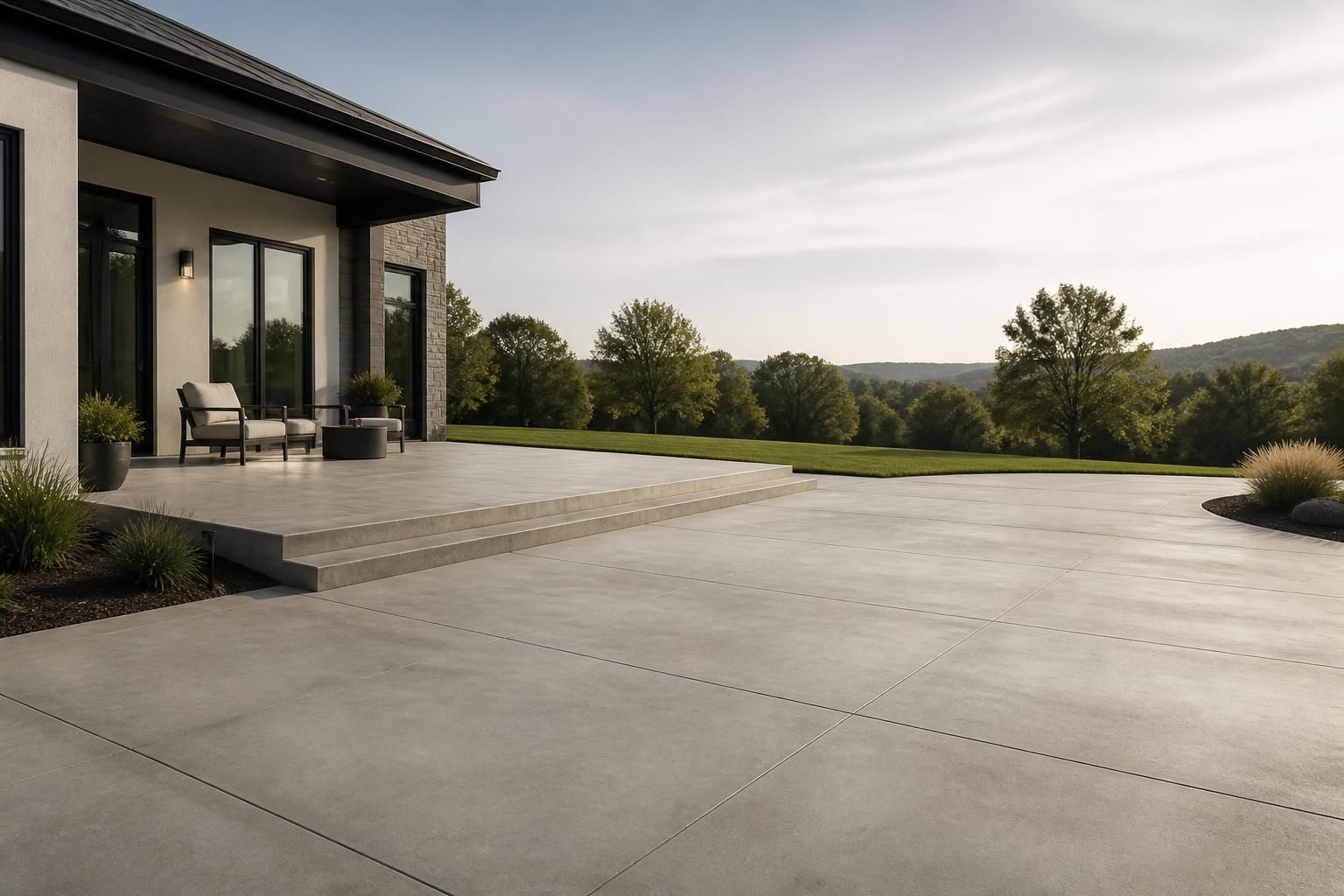
If you are planning other improvements later, such as a driveway, patio, sidewalk, or garage slab, a retaining wall can be a useful first step that helps organize the property before other work begins.
For Columbia, MO homeowners, the right retaining wall needs to fit the shape of the lot, the way the space is used, and the look you want from the finished property. We take time to understand the site before work starts so the wall feels like part of the property rather than an afterthought.
Snell Concrete & Construction serves homeowners and contractors who want concrete and construction work handled with clear communication and steady follow-through. If your project includes a retaining wall and other concrete improvements, we can help keep the work moving in a sensible order.
A border marks an edge. A retaining wall is built to support soil and help manage a change in grade. That extra support changes how the wall is planned, built, and finished.
Yes. One of the most common reasons for a wall is to turn a sloped or uneven area into a more usable section of yard.
They can. Even a smaller wall may help define a planting area, support a raised section, or make a tight side yard more useful.
We look at the slope, the purpose of the wall, and the way water moves through the area. Those factors help shape the layout before construction begins.
Yes. Many retaining walls are built alongside other concrete or construction work so the finished property feels connected and easier to use.
Homeowners contact us when they want a retaining wall built with care, clear communication, and attention to the details that affect long-term use. We approach each project with the goal of making the space more practical and more finished.
If your property could use a retaining wall in Columbia, MO, Snell Concrete & Construction is ready to talk through the site and the kind of result you want. Whether the goal is to hold soil, create flat space, or give the yard a cleaner edge, we can help you plan the next step.
Call +14053266117 or email Snellconcreteconstruction@gmail.com to start the conversation. We are based in Fulton, MO 65251 and work with property owners across the region who want concrete and construction work handled with care.
Get Started
Share a few details about your concrete needs, and we will help you plan the right solution for your home, business, or job site.